
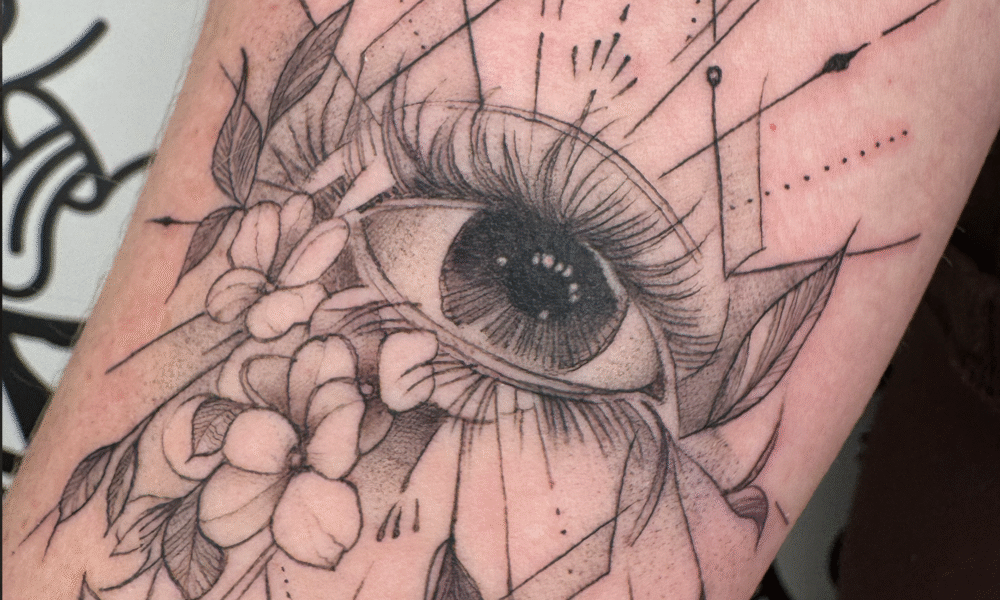
Fine-line tattoos are one of the most requested styles in modern tattooing. Their delicate appearance, subtle detail, and minimalist aesthetic make them highly appealing to clients seeking refined body art. However, fine-line tattoos are also one of the most misunderstood and poorly executed styles when attempted by artists without the proper skill set.
While a good fine-line tattoo can age beautifully and look effortless, a bad one often fades, blurs, or disappears entirely within a short time. Understanding the difference is essential for both clients and artists.
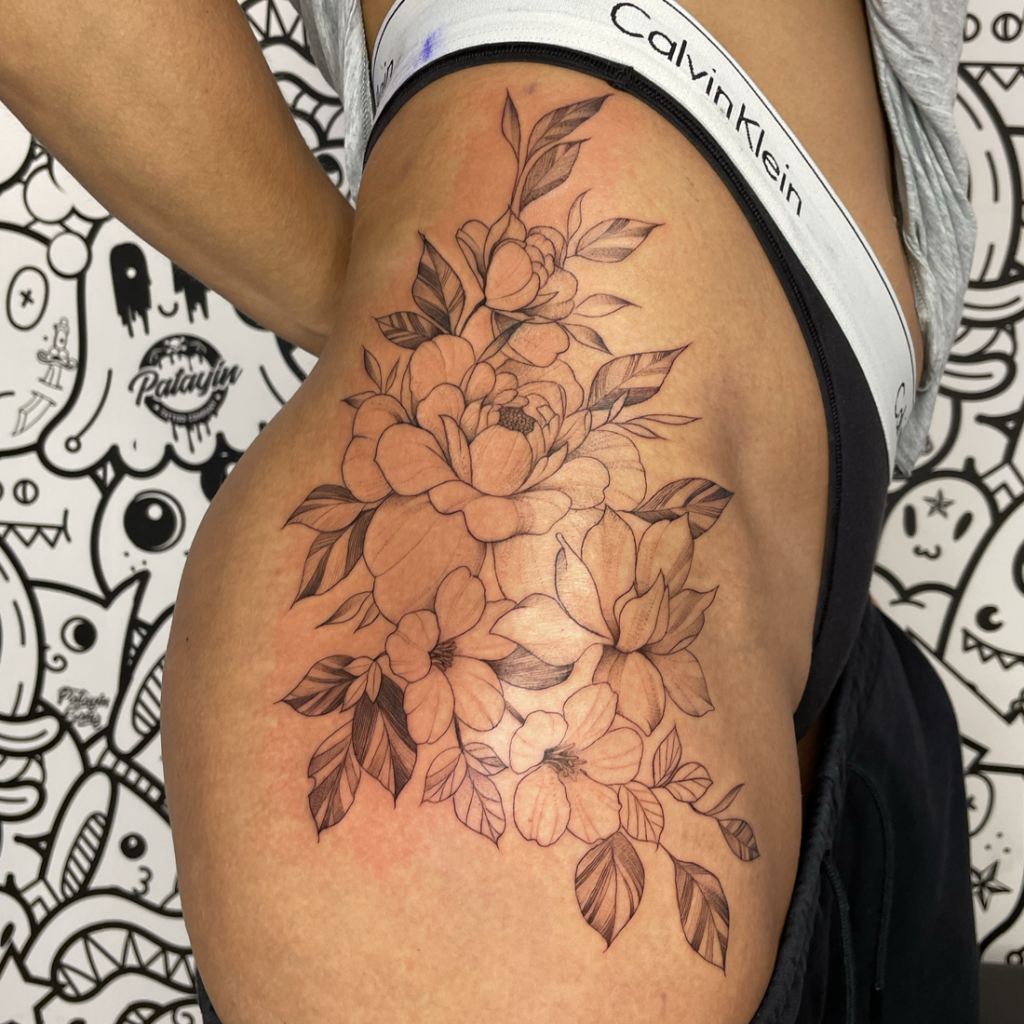
What Is a Fine-Line Tattoo?
A fine-line tattoo is defined by:
- Thin, consistent line weight
- Controlled depth and precision
- Minimal trauma to the skin
- Clean execution with intentional spacing
Unlike bold traditional tattoos, fine-line work relies on technical control rather than saturation. There is far less margin for error.
What Makes a Good Fine-Line Tattoo?
1. Consistent, Intentional Line Weight
A high-quality fine-line tattoo has lines that are:
- Even from start to finish
- Deliberately thin, not accidental
- Matched to the design’s scale and placement
Good fine-line work does not rely on “as thin as possible.” It relies on appropriate thinness that will still be visible as the tattoo ages.
2. Proper Depth Control
One of the biggest indicators of a skilled fine-line artist is depth control.
A good fine-line tattoo:
- Sits cleanly in the dermis
- Avoids blowouts and ink spread
- Heals sharp and legible
Fine-line tattoos should never look scarred, raised, or patchy once healed. Proper depth allows the ink to stay crisp without trauma.
3. Skin Awareness and Adaptation
Not all skin holds fine-line tattoos the same way. Skilled artists adjust for:
- Skin thickness
- Elasticity
- Age
- Placement
A good fine-line artist knows when to slightly adjust line weight or spacing to ensure longevity — even if it means saying no to a design that won’t last.
4. Thoughtful Design and Spacing
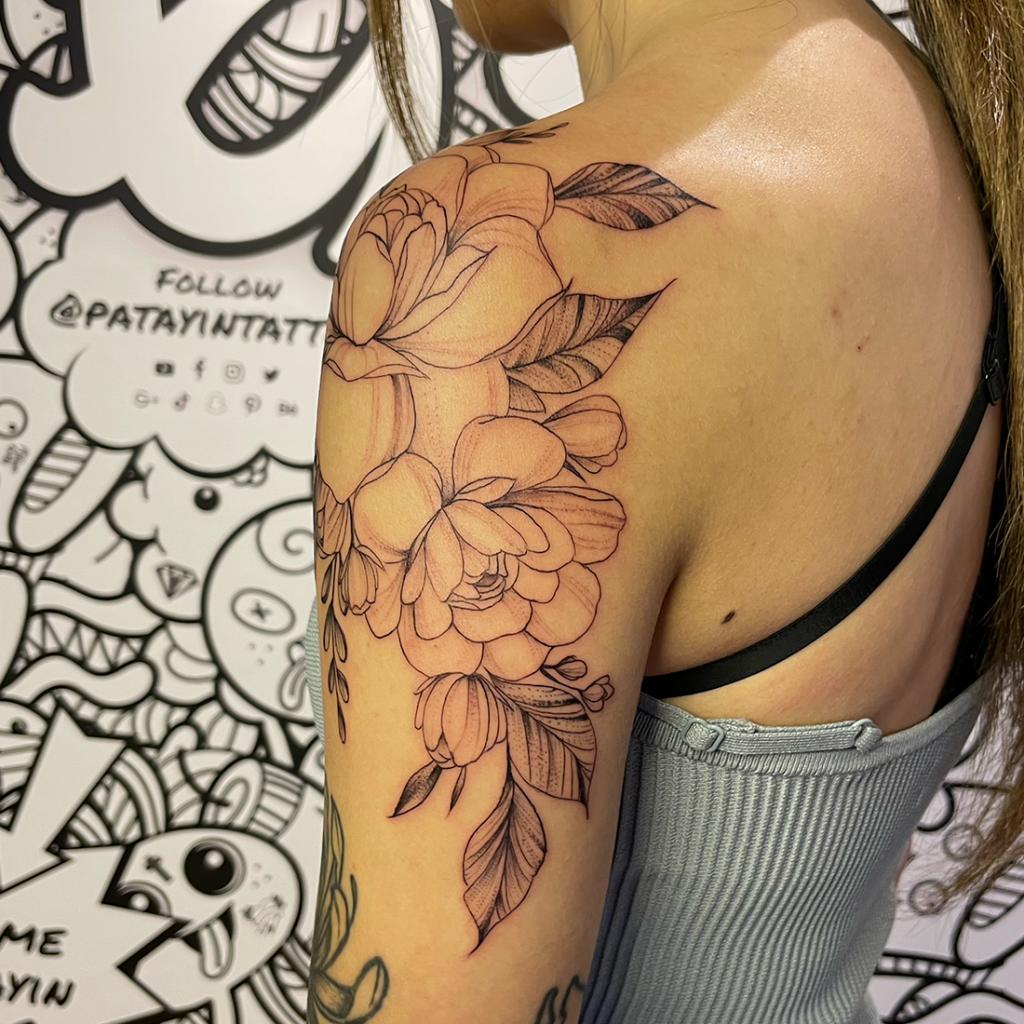
Fine-line tattoos succeed when:
- Lines are not overcrowded
- Negative space is intentional
- Details are scaled appropriately
Good fine-line tattoos are designed for skin, not copied directly from illustrations meant for paper or digital screens.
5. Longevity Is Planned From the Start
A strong fine-line tattoo still looks good years later.
Skilled artists design with aging in mind by:
- Avoiding overly tight details
- Choosing placements with lower friction
- Ensuring enough contrast to remain visible
A tattoo that looks great on day one but disappears in a year is not a successful fine-line tattoo.
What Makes a Bad Fine-Line Tattoo?
1. Lines That Are Too Light or Too Shallow
One of the most common mistakes is underworking the tattoo.
Bad fine-line tattoos often:
- Look barely visible once healed
- Fade unevenly
- Break apart or disappear entirely
This usually happens when artists are afraid of going too deep and fail to properly deposit pigment.
2. Overworking the Skin to “Fix” Lines
Inexperienced artists may repeatedly pass over lines trying to make them perfect.
This results in:
- Excessive trauma
- Scarring
- Blurred or raised lines
Fine-line tattooing requires confidence and clean execution — not repeated correction.
3. Blowouts From Poor Depth Control
Going too deep with a fine needle causes ink to spread under the skin.
Common signs include:
- Fuzzy or swollen-looking lines
- Ink migration shortly after healing
- Loss of the “fine” appearance
Once a blowout occurs, it cannot be fully corrected.
4. Using Designs That Aren’t Tattoo-Friendly
Many bad fine-line tattoos come from:
- Pinterest designs
- Micro-details meant for illustration
- Trends copied without adaptation
Without proper redesign for skin, these tattoos are almost guaranteed to age poorly.
5. Artists Without Specialized Fine-Line Training
Fine-line tattooing is not simply “using a smaller needle.”
It requires:
- Advanced hand control
- Understanding of skin behavior
- Experience with minimal-margin techniques
Artists trained primarily in bold or traditional styles may struggle with fine-line work if they haven’t specifically developed this skill set.

Why Fine-Line Tattoos Demand Higher Skill
Bold tattoos can forgive small inconsistencies — fine-line tattoos cannot.
In fine-line work:
- Every wobble shows
- Every depth mistake is permanent
- Healing reveals everything
This is why truly good fine-line tattoos are less common than social media makes them appear.
Final Thoughts: Choosing Quality Over Trend
Fine-line tattoos are beautiful when done correctly — but unforgiving when done poorly. A good fine-line tattoo is the result of technical precision, design restraint, and experience, not just aesthetic preference.
For clients, the key is choosing an artist who:
- Specializes in fine-line work
- Shows healed results, not just fresh tattoos
- Understands aging and skin behavior
For artists, fine-line tattooing is a discipline that rewards patience, humility, and mastery.
When executed properly, fine-line tattoos are elegant, timeless, and refined. When rushed or under-skilled, they become the most commonly regretted tattoos artists are asked to fix.