
A Comprehensive Guide to Scalp Micropigmentation
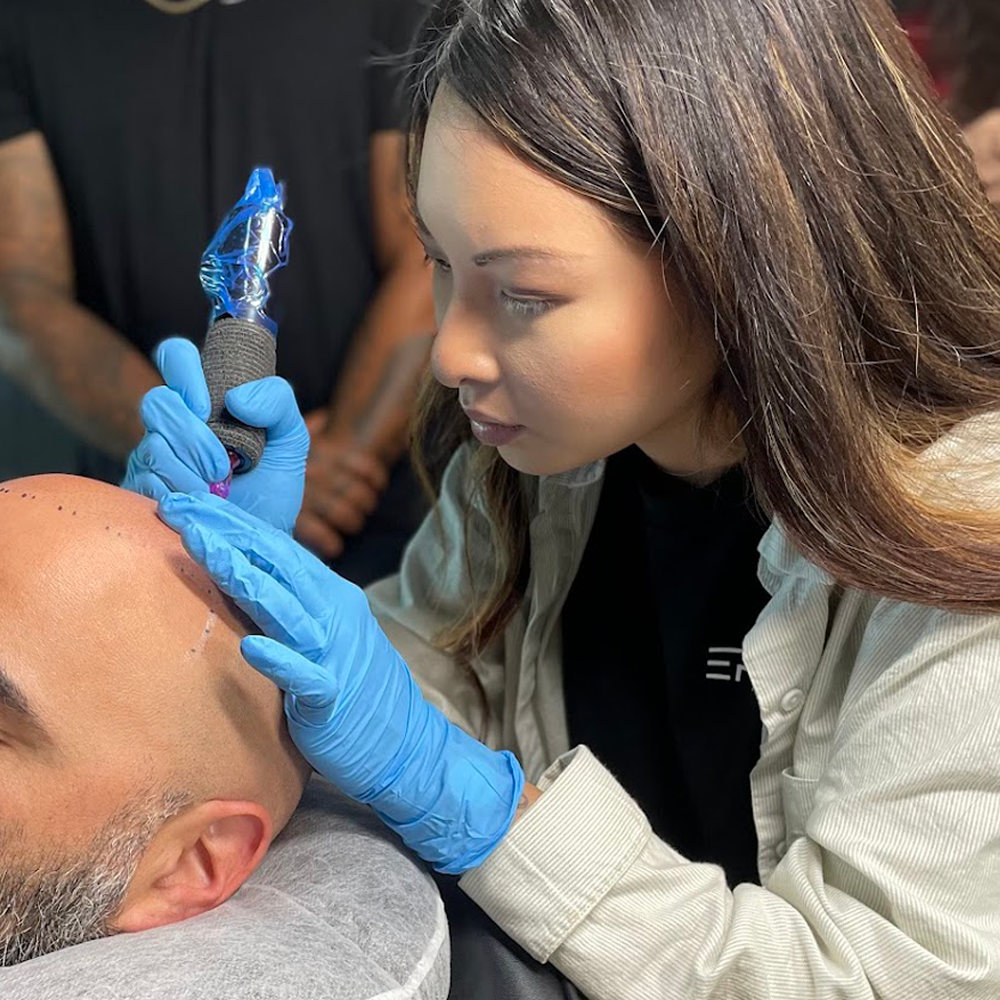
Laura Lewis Scalp micro-pigmentation technician
Hair loss affects millions of men and women worldwide, impacting confidence, self-image, and personal style. While traditional solutions like hair transplants and topical treatments remain popular, SMP (Scalp Micropigmentation) has rapidly become one of the most effective and realistic non-surgical alternatives.
In this comprehensive guide, we’ll break down what SMP is, how it works, who it’s for, and why it’s becoming one of the most sought-after hair restoration solutions today.
What Does SMP Stand For?
SMP stands for Scalp Micropigmentation, a non-invasive cosmetic procedure that uses specialized tattoo techniques to replicate the appearance of natural hair follicles on the scalp.
Rather than implanting hair, SMP creates the illusion of density or a closely shaved head using micro-precise pigment deposits.
How Does Scalp Micropigmentation Work?
SMP involves depositing pigment into the upper dermis of the scalp using ultra-fine needles. Unlike traditional body tattooing, SMP:
- Uses smaller, more precise needles
- Places pigment at a more controlled depth
- Utilizes custom-formulated pigments designed for scalp use
- Mimics natural follicle size and placement
The result is a hyper-realistic “buzz cut” effect or the appearance of thicker, fuller hair.
Who Is SMP For?
Scalp Micropigmentation is versatile and works for a wide range of clients, including:
1. Men with Male Pattern Baldness
Often associated with the Androgenetic Alopecia, this progressive hair loss condition is one of the most common reasons clients seek SMP. It creates a sharp, clean shaved look that restores the hairline and frames the face.
2. Women with Thinning Hair
Women experiencing diffuse thinning can use SMP to reduce scalp visibility and create the appearance of density between existing strands.
3. Hair Transplant Scars
Clients who’ve undergone procedures like Follicular Unit Transplantation (FUT) may have linear scarring. SMP can camouflage these scars effectively.
4. Alopecia Conditions
Those living with Alopecia Areata or other forms of alopecia can achieve uniform coverage with SMP.
What Makes SMP Different from a Regular Tattoo?
Although SMP uses tattoo equipment, it is a highly specialized cosmetic procedure.
Key Differences:
- Depth Control: SMP pigment is placed more superficially.
- Pigment Formulation: Designed to avoid color shifting (no blue/green tones).
- Dot Size: Micro-impressions replicate real follicle size.
- Technique: Focused on density illusion rather than artistic imagery.
Because of these nuances, choosing a trained SMP practitioner is critical.
The SMP Procedure: What to Expect
Consultation
Your practitioner evaluates scalp condition, skin type, hair loss pattern, and desired hairline shape.
Session Structure
SMP typically requires 2–3 sessions, spaced 7–14 days apart. Each session builds density gradually for a natural finish.
Healing Process
- Mild redness may occur for 24–48 hours
- Avoid heavy sweating for a few days
- Minimal downtime overall
Results are visible immediately and continue to refine over multiple sessions.
How Long Does SMP Last?
SMP is considered a long-term cosmetic solution, not truly permanent like traditional tattoos.
Most clients enjoy results for 4–6 years before requiring a minor touch-up. Proper aftercare, sun protection, and skincare play a role in longevity.
Benefits of Scalp Micropigmentation
✔ Non-Surgical
No incisions, no anesthesia, no recovery downtime.
✔ Immediate Results
Unlike hair transplants, which take months to grow, SMP offers visible transformation quickly.
✔ Cost-Effective
Often significantly less expensive than surgical hair restoration.
✔ Low Maintenance
No daily medications or special shampoos required.
✔ Boosted Confidence
Restores hairline definition and youthful appearance.
Is SMP Safe?
When performed by a trained professional in a clean, regulated environment, SMP is considered safe. Risks are minimal but can include:
- Allergic reactions (rare)
- Uneven pigment if performed improperly
- Fading without proper aftercare
Always choose a reputable clinic with documented healed results.
How to Choose an SMP Practitioner
Look for:
- Verified training and certification
- Healed client results
- Consistent follicle size and spacing
- Natural-looking hairlines
- Strong client reviews
Avoid practitioners who treat SMP like standard tattooing — the technique requires specialized training and equipment.
Final Thoughts: Is SMP Right for You?
Scalp Micropigmentation is one of the most innovative and effective solutions for hair loss available today. Whether you’re dealing with receding hairlines, thinning density, transplant scars, or alopecia, SMP offers a realistic, low-maintenance alternative that restores confidence without surgery.
If you’re considering SMP, book a professional consultation to evaluate your scalp, discuss expectations, and develop a custom plan tailored to your hair loss pattern.