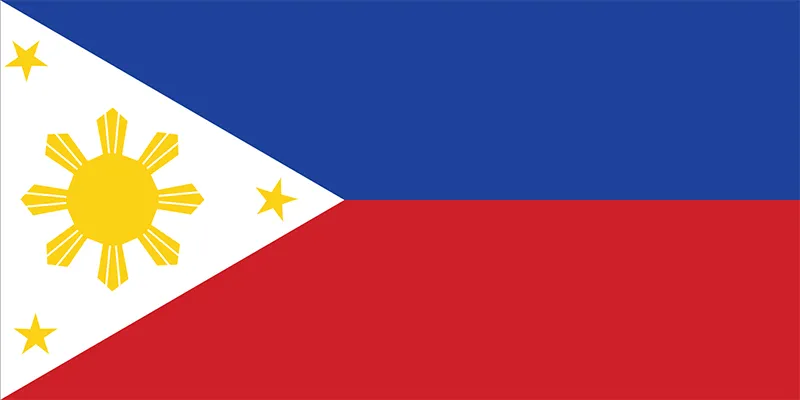

The Philippines holds one of the richest and oldest tattoo traditions in the world. Long before tattooing became a global art form and modern industry, Indigenous Filipino communities were practicing intricate, symbolic tattooing rooted in identity, spirituality, and warrior culture. Today, the Philippines continues to influence contemporary tattooing through cultural preservation, revival movements, and globally recognized artists.
This article explores the history of Filipino tattoos, traditional batok practices, and the Philippines’ lasting contribution to global tattoo culture.
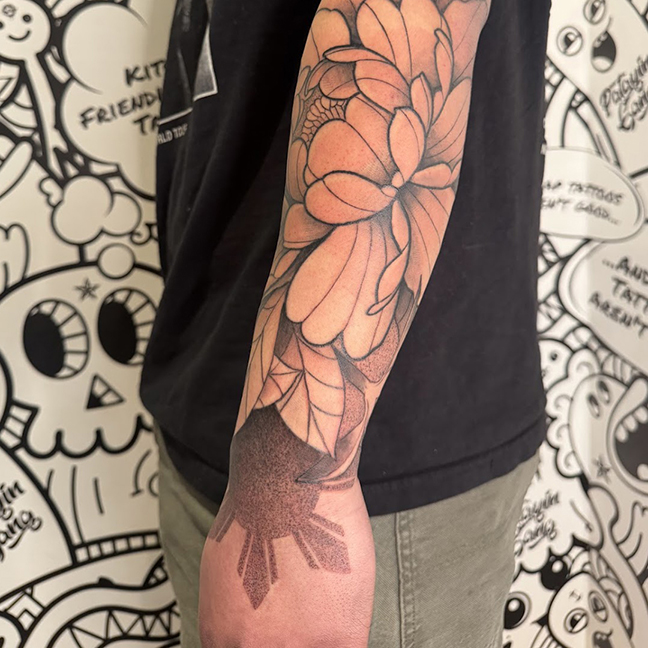
The Ancient Origins of Filipino Tattooing
Tattooing in the Philippines predates Spanish colonization (1521) and was deeply embedded in pre-colonial society. Early Spanish explorers referred to the Visayan people as “Los Pintados” — meaning “The Painted Ones” — because of their heavily tattooed bodies.
These tattoos were not decorative trends. They symbolized:
- Bravery in battle
- Social status
- Tribal identity
- Spiritual protection
- Life achievements
Tattooing was a rite of passage and a visible record of one’s accomplishments.
Batok: The Traditional Filipino Tattoo Method
The traditional Filipino tattooing practice is known as batok (also spelled batuk). Unlike modern electric machines, batok uses a hand-tapping technique.
This process involves:
- A wooden mallet
- A thorn or needle attached to a stick
- Natural charcoal-based ink
- Repetitive tapping into the skin
The method is physically demanding and requires immense precision. It connects the tattoo process directly to ritual, patience, and ancestral technique.
The Kalinga Tradition and Cultural Preservation
One of the most well-known Indigenous tattoo traditions in the Philippines comes from the Kalinga people of Northern Luzon.
The global tattoo community became more aware of this tradition through Whang-Od Oggay, often referred to as Apo Whang-Od, who is widely recognized as the last traditional Kalinga mambabatok (traditional tattooist) of her generation.
Her work:
- Preserves centuries-old patterns
- Uses traditional hand-tapping techniques
- Passes knowledge down to younger generations
Whang-Od’s international recognition has played a significant role in bringing Filipino tattoo heritage back into global conversation.
Tattooing as a Marker of Warrior Status
In many pre-colonial Filipino societies, especially among the Visayan and Cordilleran groups, tattoos were directly linked to warrior achievements.
Warriors earned tattoos after successful battles. The more tattoos, the greater the status.
These markings were:
- Visual proof of courage
- A spiritual shield against harm
- A symbol of masculinity and leadership
Women also received tattoos, often symbolizing beauty, fertility, and community roles.
This warrior-based system influenced how tattoos were viewed globally — not merely as decoration, but as earned identity.
Spanish Colonization and Suppression
When Spain colonized the Philippines, Indigenous practices were heavily suppressed. Tattooing was discouraged as pagan or tribal.
Over time:
- Many traditional tattoo customs faded
- Christianization reduced Indigenous body modification practices
- Tattooing survived primarily in remote mountain regions
Despite suppression, Indigenous communities like the Kalinga maintained their traditions.
The Filipino Tattoo Revival Movement
In the 20th and 21st centuries, there has been a resurgence of interest in traditional Filipino tattooing.
Modern Filipino tattoo artists have:
- Studied pre-colonial symbols
- Revived batok techniques
- Researched ancient motifs
- Integrated tribal patterns into contemporary styles
This revival has contributed to a broader global movement toward cultural respect, authenticity, and ancestral storytelling in tattooing.
Influence on Modern Tattoo Styles
The Philippines has contributed significantly to:
1. Hand-Tapping Revival
The global resurgence of hand-tapped tattoos owes part of its visibility to Filipino batok practices.
Many modern artists now explore hand-poked and traditional tapping methods inspired by Indigenous techniques.
2. Tribal and Geometric Influence
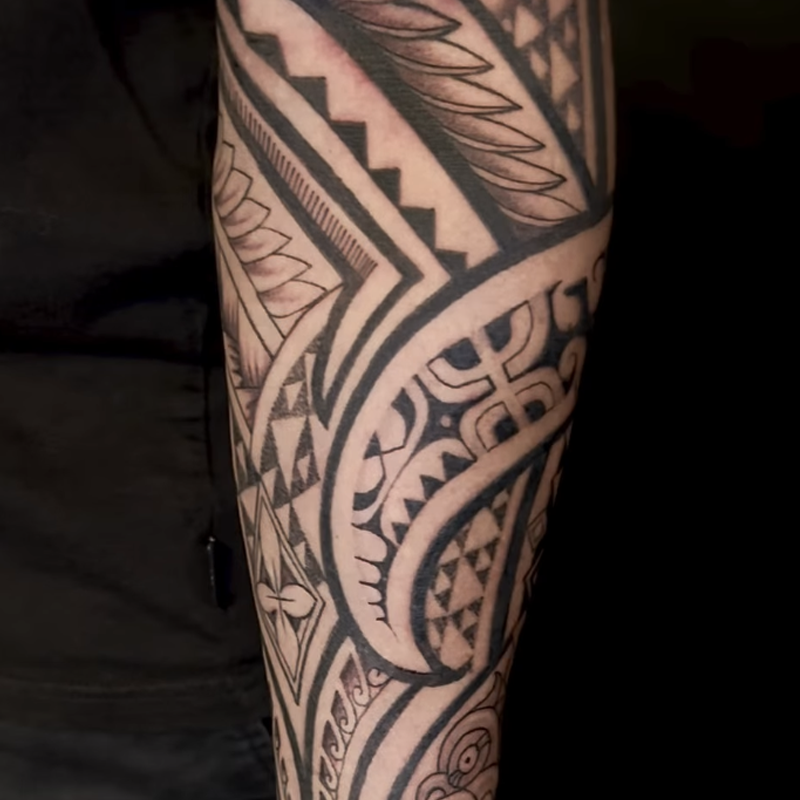
Filipino tribal patterns feature:
- Symmetrical motifs
- Nature-inspired forms
- Spiritual symbolism
- Protective designs
These elements have influenced contemporary tribal, geometric, and ornamental tattoo styles worldwide.
3. Cultural Narrative Tattooing
Filipino tattooing reinforces the idea that tattoos tell stories — about lineage, achievements, and identity. This storytelling approach has deeply influenced modern tattoo philosophy.
Filipino Artists in the Global Tattoo Industry
Today, Filipino tattoo artists are recognized globally for excellence across styles — from realism and black and grey to fine line and traditional tribal work.
The Philippines has become:
- A respected cultural authority in traditional tattooing
- A destination for heritage-based tattoo experiences
- A contributor to international tattoo conventions and education
The country’s deep-rooted history gives modern Filipino artists a powerful cultural foundation that enriches their work.
Why the Philippines Matters in Tattoo History
The Philippines’ contribution to tattooing is not just technical — it is philosophical.
Filipino tattoo culture emphasizes:
- Tattooing as earned identity
- Ritual and intention in the process
- Spiritual and communal meaning
- Respect for ancestral knowledge
In a modern era where tattooing is widely commercialized, Filipino traditions remind the global tattoo community of its deeper roots.
Final Thoughts
The Philippines stands as one of the world’s most important tattoo cultures. From pre-colonial warrior markings to the preservation of batok traditions and modern global influence, Filipino tattooing has shaped both the history and future of the art form.
As interest in cultural authenticity and ancestral techniques continues to grow, the Philippines remains a cornerstone of tattoo heritage — proving that tattooing is not just art on skin, but identity etched in history.