

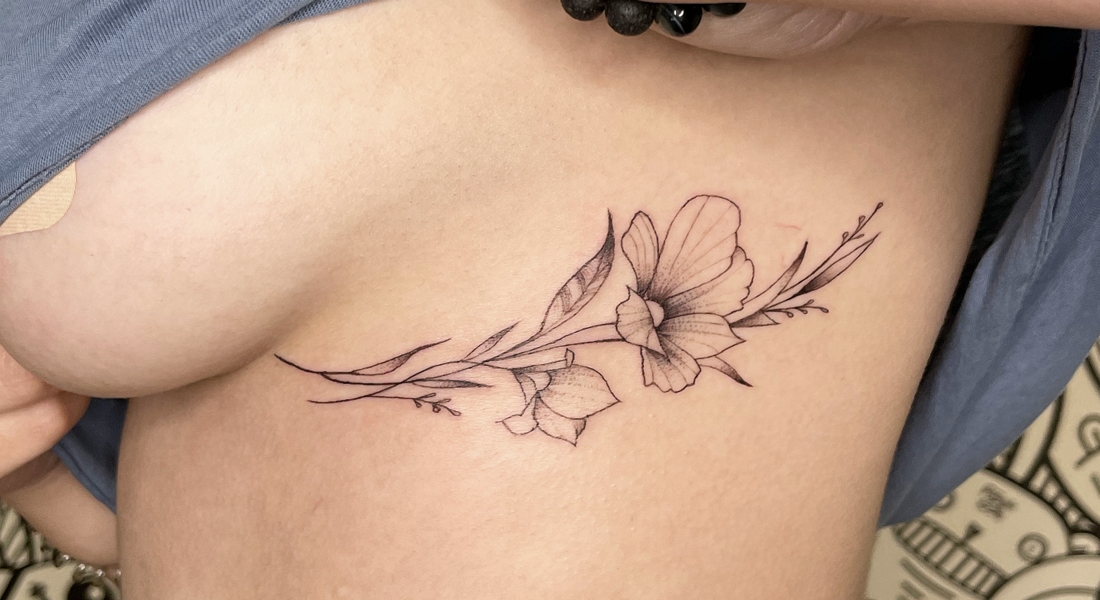
Why Fine Line Tattoos Are Gaining Popularity — And Why They May Be the Smarter Choice
Tattoos have evolved dramatically over the past few decades. While traditional bold-line designs remain iconic, fine line tattoos have carved out a powerful niche in modern tattoo culture. Characterized by delicate, single-needle precision and subtle shading, fine line work offers a minimalist alternative that appeals to today’s aesthetic preferences.
If you’re considering getting tattooed, here’s why fine line tattoos may be the more advantageous option compared to traditional styles.
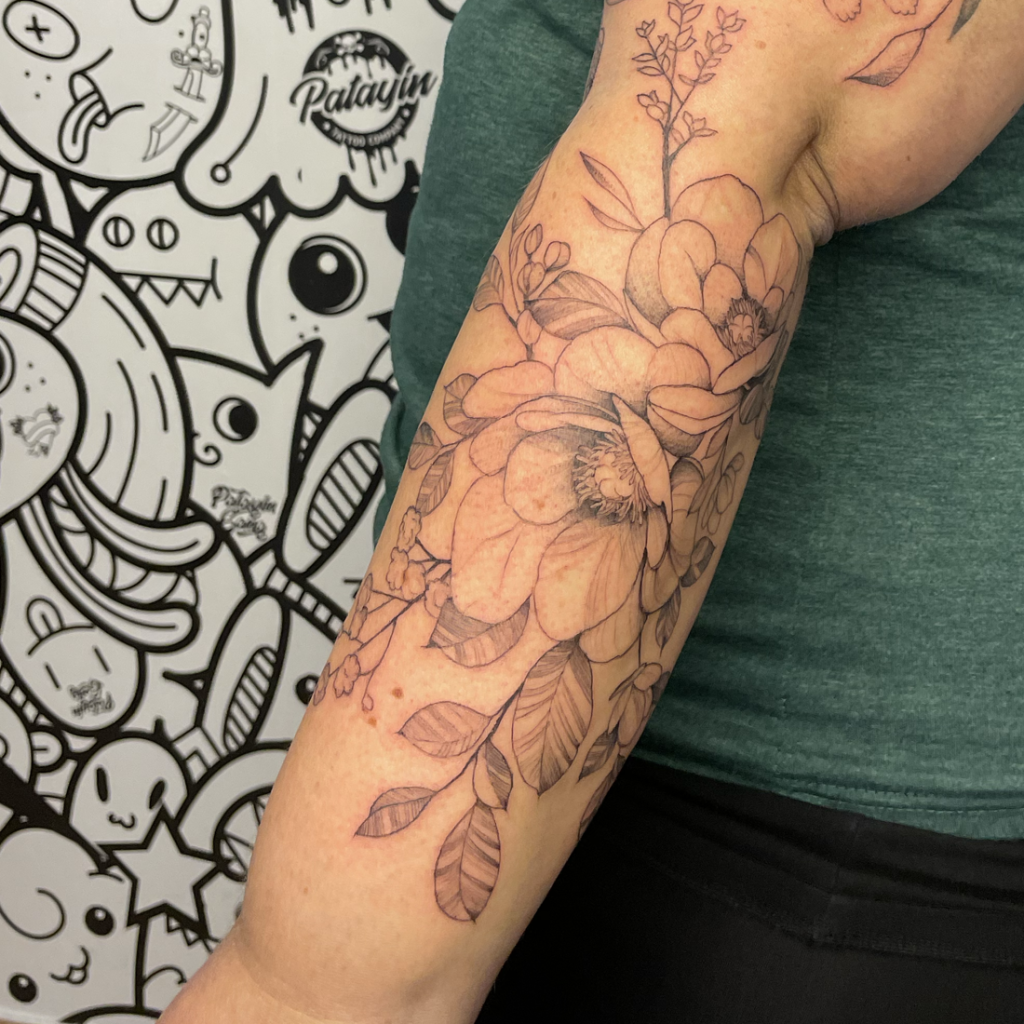
1. Subtle and Sophisticated Aesthetic
Traditional tattoos are known for thick outlines, bold colors, and heavy saturation. Fine line tattoos, by contrast, use thinner needles and lighter shading to create elegant, understated designs.
This minimalist quality allows:
- Cleaner, more refined artwork
- A softer visual presence on the skin
- Designs that look more like illustrations than bold body art
For individuals who want something meaningful but discreet, fine line provides a polished, modern look that blends seamlessly into everyday life.
2. Greater Versatility in Placement
Because fine line tattoos are lighter and less visually heavy, they work well in areas where traditional bold designs may appear overwhelming.
Ideal placements include:
- Wrists
- Ankles
- Collarbone
- Behind the ear
- Fingers
- Ribcage
Fine line designs can complement smaller or more delicate body areas without overpowering them.
3. More Professional-Friendly
Workplace culture is evolving, but in many industries, subtle tattoos are still preferable.
Fine line tattoos:
- Are less visually dominant
- Can be easily concealed
- Appear more like artistic detail than statement pieces
For professionals who want meaningful art without drawing immediate attention, fine line often makes more sense.
4. Less Trauma to the Skin
Because fine line tattoos use smaller needle groupings and often lighter pressure:
- The skin experiences less saturation trauma
- Healing can feel smoother for many clients
- There is typically less scabbing compared to heavily packed color work
While pain tolerance varies, many people report fine line tattoos feeling less intense than heavily saturated traditional pieces.
5. Timeless Minimalism
Design trends come and go. Bold traditional styles—while classic—carry a very specific aesthetic. Fine line tattoos, however, lean into minimalism, which has proven to be timeless across fashion, interior design, and art.
A delicate script, micro-portrait, botanical linework, or geometric piece often ages stylistically more subtly than bold, high-contrast color pieces tied to a specific era.
6. Ideal for First-Time Clients
For someone new to tattoos, fine line offers:
- A lower-commitment visual impact
- Smaller design options
- A more approachable aesthetic
It allows clients to explore body art without committing to large, bold imagery immediately.
7. Detail Without Bulk
Fine line artists can create remarkable detail using minimal ink. Portraits, florals, and intricate symbolic pieces can look incredibly refined without thick outlines or heavy fill.
This is particularly advantageous for:
- Script tattoos
- Realistic miniature artwork
- Spiritual or symbolic imagery
- Fine illustrative designs
Important Consideration
Fine line tattoos do require:
- A highly skilled artist
- Precise technique
- Proper aftercare
Not all tattoo artists specialize in fine line work. Because the lines are thinner, precision is critical for long-term clarity.
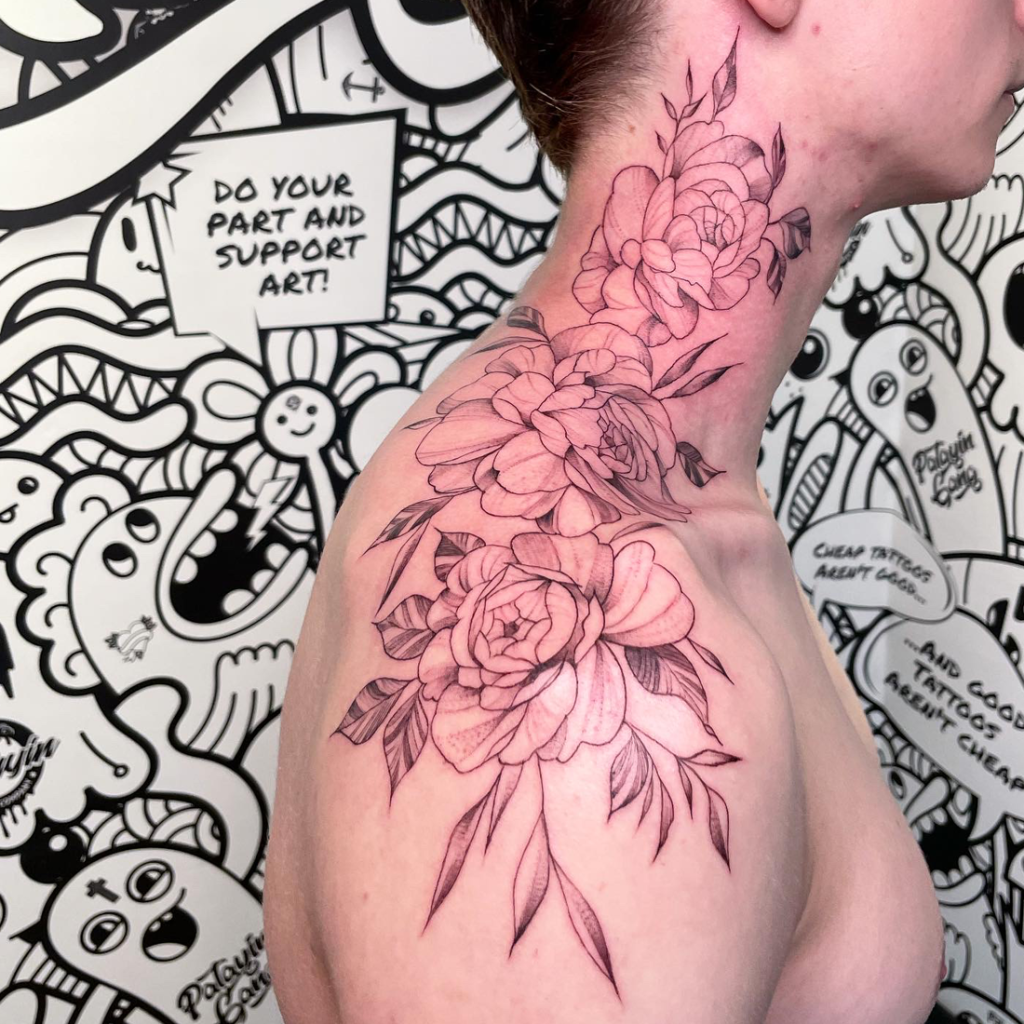
When Fine Line Makes More Sense
Fine line tattoos may be the better choice if:
- You prefer subtle over bold
- You want something elegant and modern
- You work in a conservative environment
- You’re getting your first tattoo
- You want detailed art without heavy saturation
Final Thoughts
Traditional tattoos will always have their place in tattoo history. However, fine line tattoos offer a refined, versatile, and contemporary alternative that aligns with modern tastes.
If your goal is meaningful art that enhances your natural aesthetic rather than dominates it, fine line may not just be a trend — it may be the smarter, longer-term choice.