

An Ultimate Guide to Tattoo Styles: Choosing the Right Style for You
Tattooing is one of the oldest art forms in human history — and today, it’s more diverse and technically advanced than ever and we have compiled the ultimate guide to tattoo styles. From bold traditional pieces to hyper-detailed realism, understanding the different tattoo styles can help you make an informed decision before committing to permanent ink.
In this comprehensive guide, we’ll break down the most popular tattoo styles, what makes each unique, and how to determine which one fits your personality, skin tone, and long-term vision.
Why Understanding Tattoo Styles Matters
Not all tattoos age the same. Not all artists specialize in the same techniques. And not every design translates well across styles.
Choosing the right tattoo style impacts:
- Longevity of your tattoo
- How it heals
- How it fits your body flow
- Overall visual impact
Let’s explore the most sought-after tattoo styles in today’s industry.
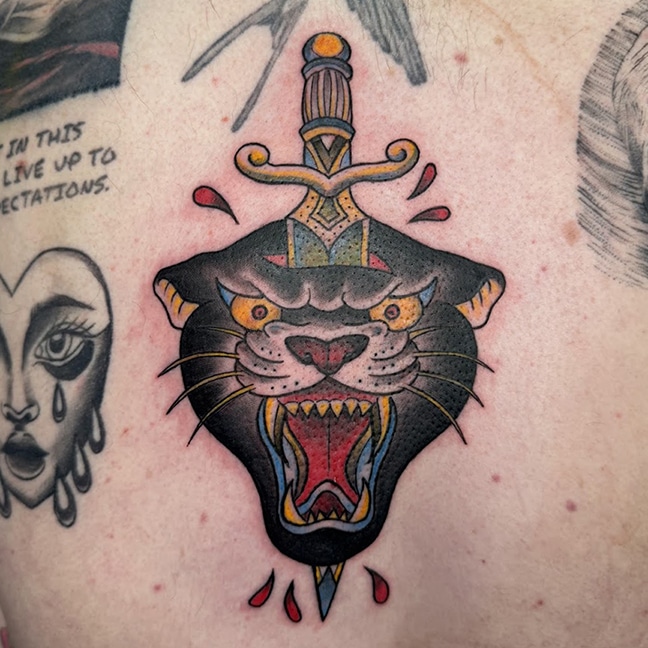
American Traditional Panther by Dennis Garcia @denninks
1. Traditional (American Traditional) Tattoo Style
The American Traditional style — sometimes called “Old School” — is one of the most iconic tattoo styles in history.
Key Characteristics:
- Bold black outlines
- Limited but solid color palettes
- Minimal shading
- Classic imagery (roses, daggers, eagles, anchors, panthers)
This style was popularized by legendary tattoo artists like Norman Collins (Sailor Jerry) and is known for its longevity. The heavy lines help the design hold up exceptionally well over time.
Best for: Bold, timeless designs that age predictably.
2. Neo-Traditional Tattoo Style
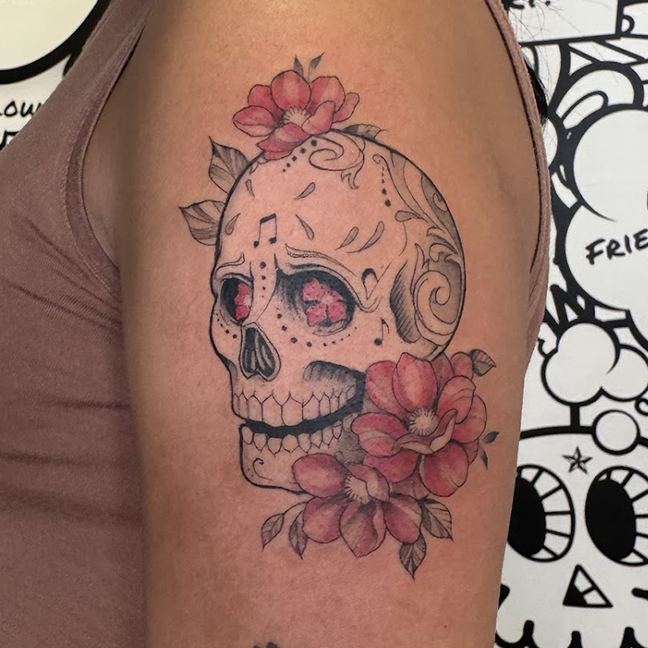
Neo-Traditional builds on American Traditional foundations but incorporates more detail, expanded color palettes, and illustrative influences.
Key Characteristics:
- Thicker linework with more variation
- Richer shading and gradients
- More complex compositions
- Decorative and ornamental elements
Neo-Traditional tattoos offer a balance between bold structure and artistic freedom.
Best for: Clients who love traditional boldness but want more dimension and complexity.
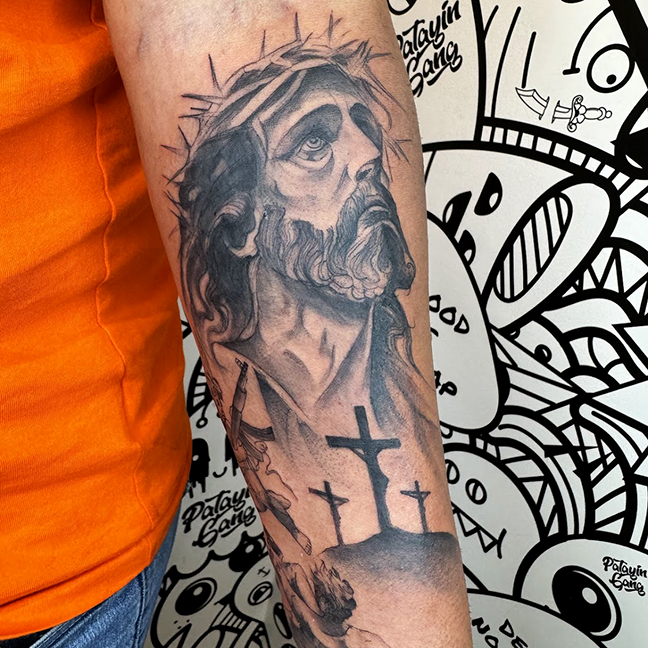
3. Black and Grey Realism
Black and Grey Realism focuses on realistic imagery using only black ink diluted to create various grey tones.
Key Characteristics:
- Portraits
- Wildlife
- Religious imagery
- Smooth shading and high contrast
This style requires strong technical skill, especially with smooth gradient transitions and light sourcing.
Best for: Dramatic, photorealistic designs with a timeless aesthetic.
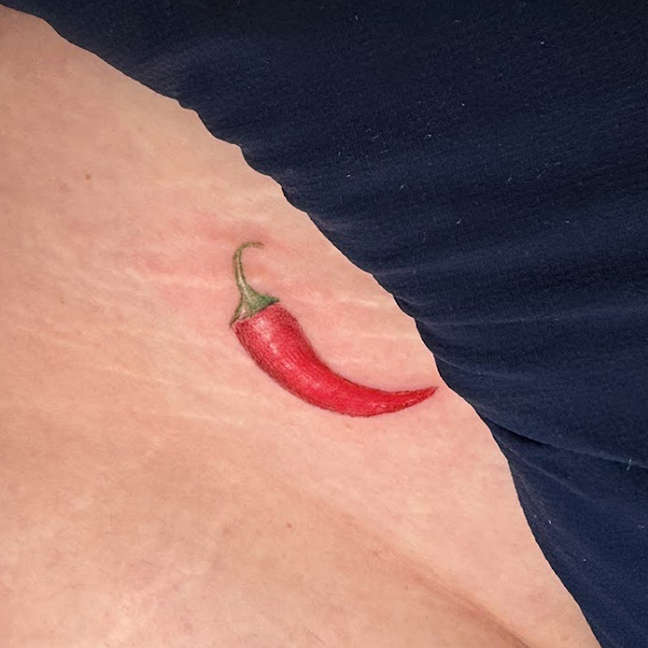
4. Color Realism
Color Realism takes realism further by incorporating full-color palettes.
Key Characteristics:
- Hyper-detailed portraits
- Vibrant nature scenes
- 3D illusions
- Advanced blending techniques
Color realism demands deep knowledge of color theory and skin undertones.
Best for: Eye-catching statement pieces with maximum visual impact.

5. Fine-Line Tattoo Style
The Fine-Line style emphasizes delicate, thin lines and minimal shading.
Key Characteristics:
- Subtle, elegant designs
- Minimalistic compositions
- Script and micro tattoos
- Light detailing
Fine-line tattoos require precision and proper technique to prevent blowouts or premature fading.
Best for: Subtle tattoos, minimalist aesthetics, and detailed small-scale work.
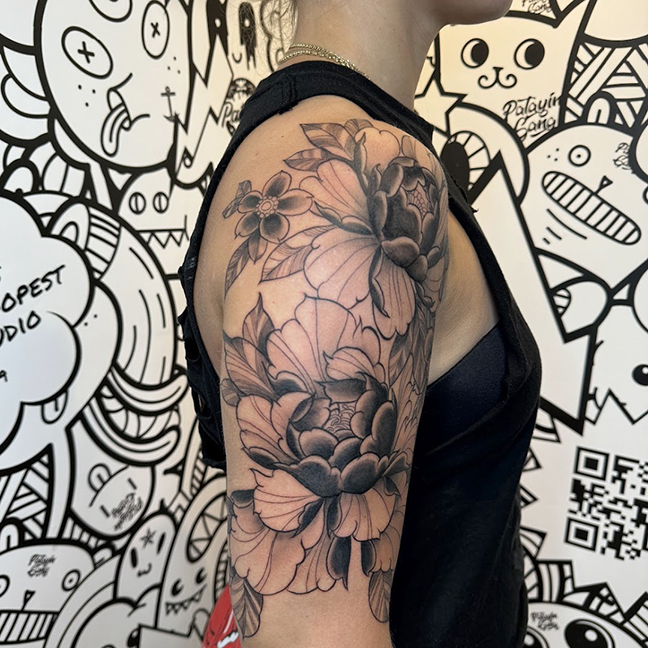
6. Japanese (Irezumi)
Traditional Japanese tattooing, known as Irezumi, has centuries of history.
Key Characteristics:
- Large-scale body suits
- Flowing compositions
- Mythological figures (dragons, koi, samurai)
- Wind bars, waves, and background elements
Japanese tattoos are designed to complement body movement and often follow strict symbolic traditions.
Best for: Large, cohesive projects with cultural depth and storytelling.
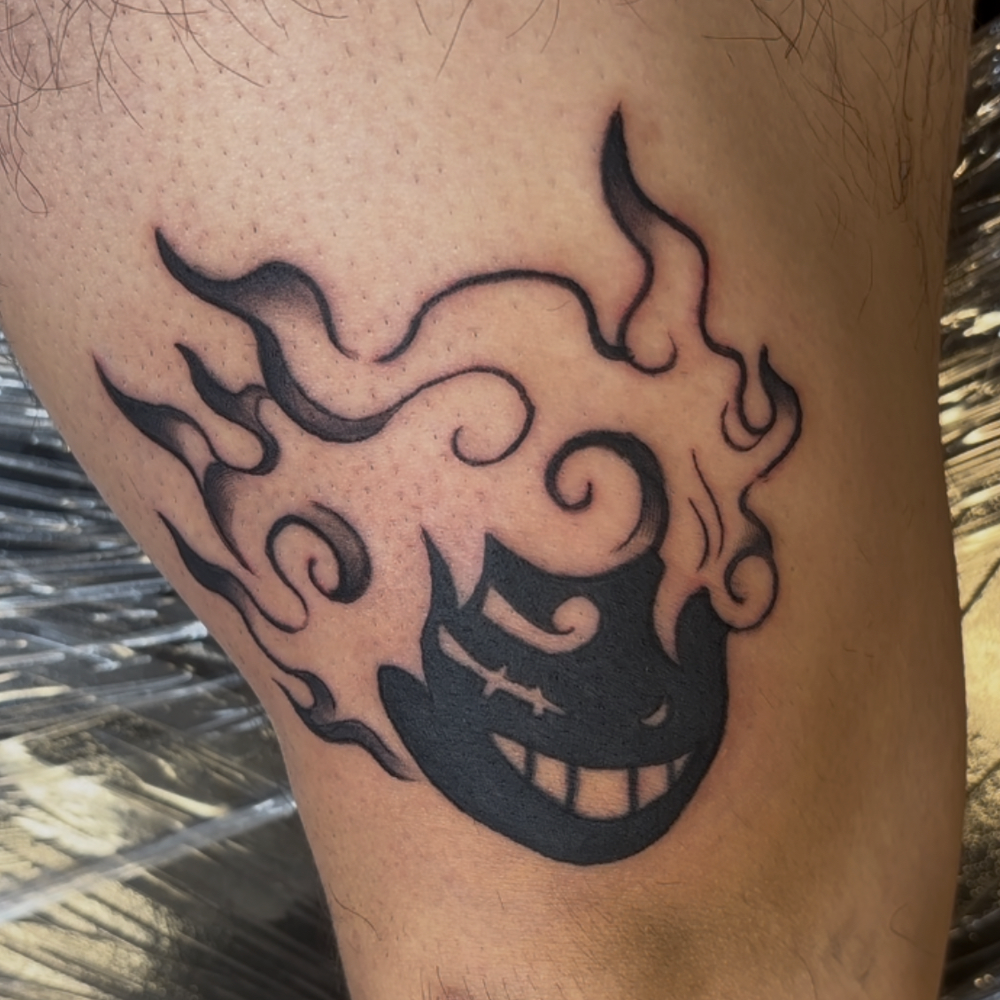
7. Blackwork
Blackwork uses solid black ink to create bold, high-contrast designs.
Key Characteristics:
- Heavy saturation
- Geometric patterns
- Tribal-inspired elements
- Negative space compositions
This style is powerful, graphic, and long-lasting due to dense pigment application.
Best for: Bold, striking visual statements.
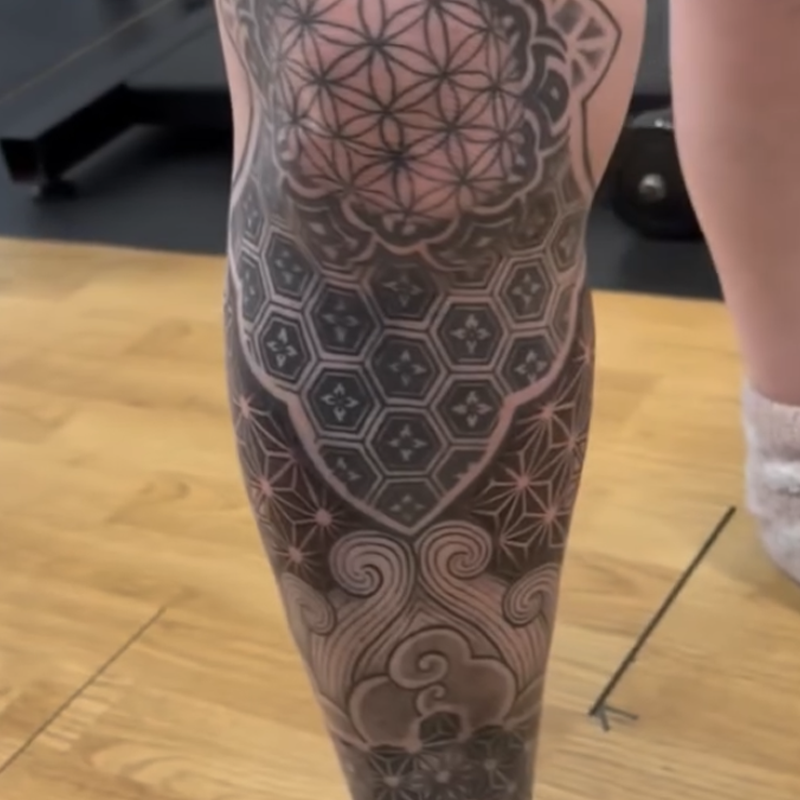
8. Geometric Tattoo Style
The Geometric style focuses on symmetry, patterns, and mathematical precision.
Key Characteristics:
- Sacred geometry
- Mandalas
- Dotwork
- Pattern repetition
Geometric tattoos require exact line precision and balanced placement to avoid distortion on the body.
Best for: Structured, symbolic, and visually satisfying designs.
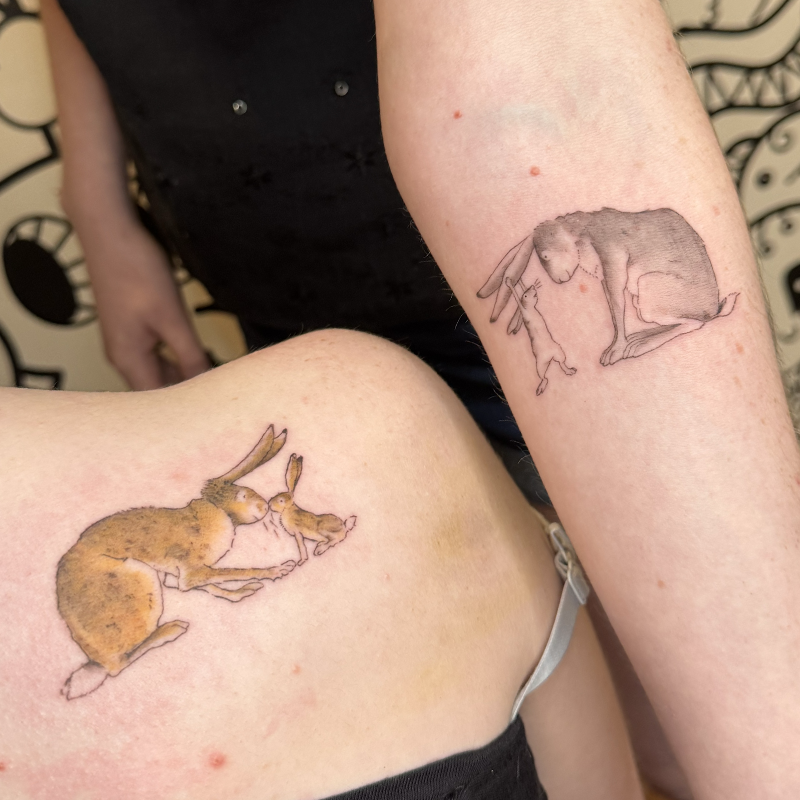
9. Watercolour Tattoo Style
Inspired by watercolour paintings, the Watercolour style uses soft gradients and splash effects.
Key Characteristics:
- Painterly brushstroke appearance
- Minimal outlines
- Soft color transitions
- Abstract backgrounds
Because it often lacks heavy outlines, artist skill is critical to ensure longevity.
Best for: Artistic, expressive, and vibrant designs.
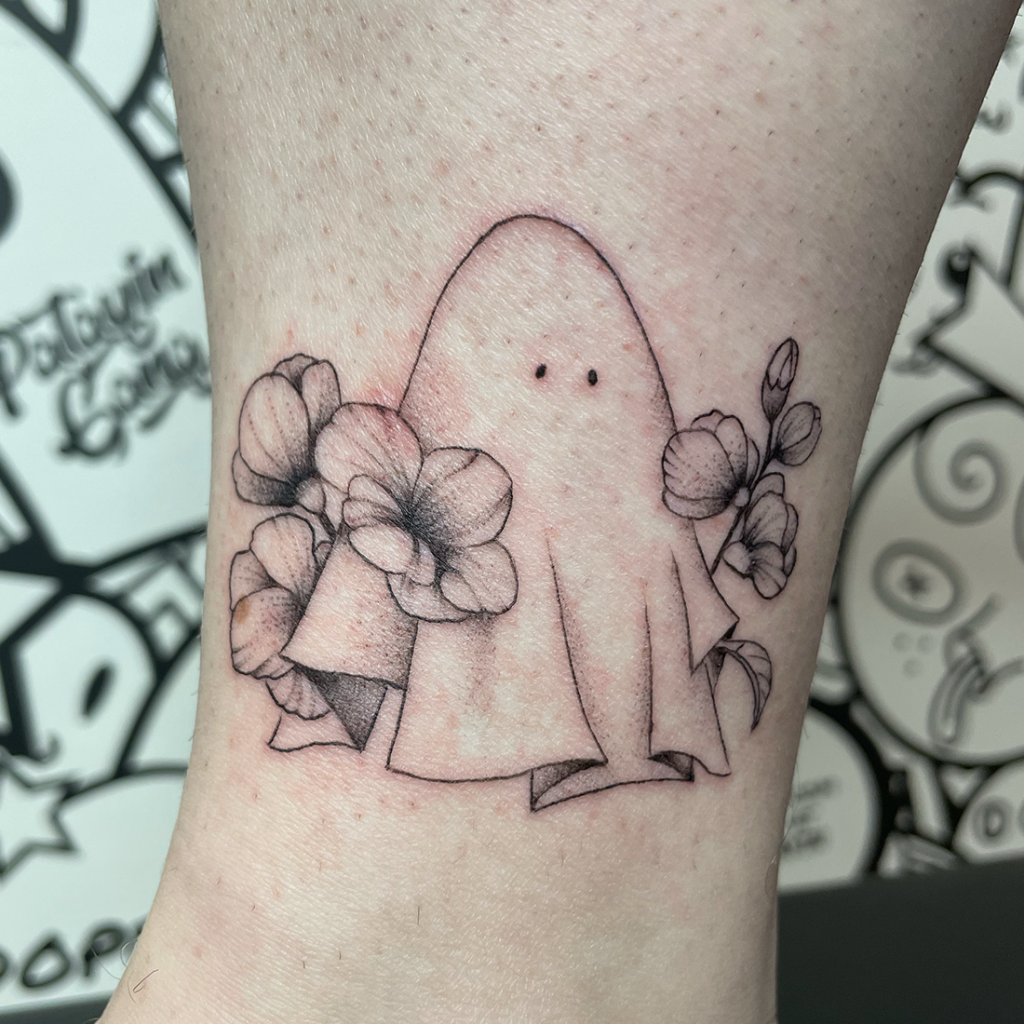
10. Illustrative Tattoo Style
Illustrative blends drawing techniques with tattoo structure.
Key Characteristics:
- Sketch-like linework
- Textured shading
- Storybook aesthetics
- Creative freedom
This style allows for a lot of originality and works well for custom designs.
Best for: Unique, art-forward pieces.
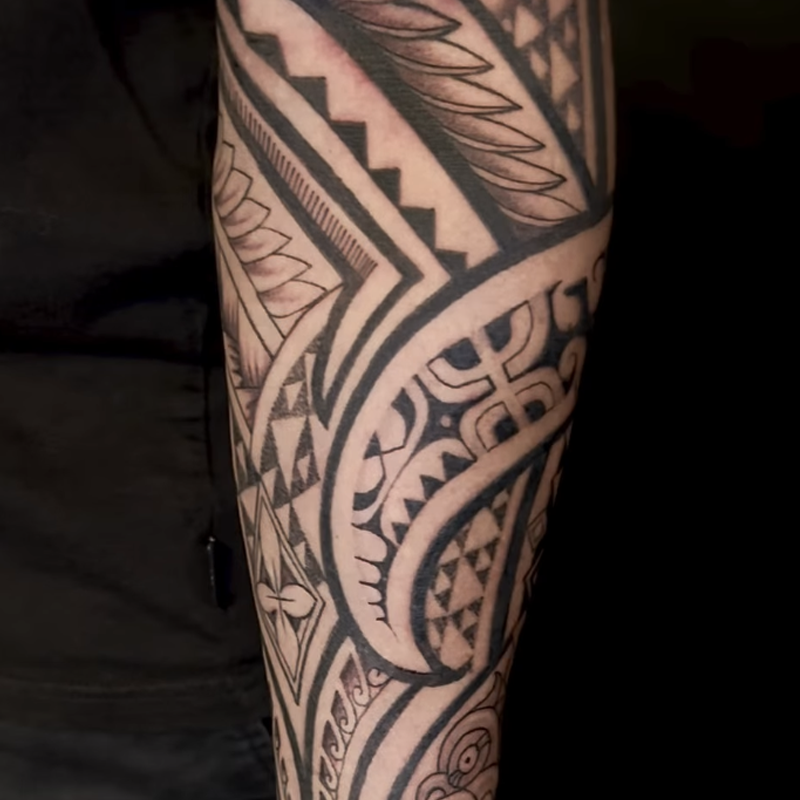
11. Tribal Tattoo Style
Tribal is rooted in ancient cultural traditions from Polynesian, Maori, Filipino, and other Indigenous communities.
Key Characteristics:
- Bold black shapes
- Symbolic patterns
- Strong body flow
- Cultural significance
Modern tribal has evolved, but traditional forms carry deep heritage and meaning.
Best for: Strong graphic designs with historical roots.
How to Choose the Right Tattoo Style
When deciding between tattoo styles, consider:
1. Longevity
Bold lines and strong contrast typically age better.
2. Size & Placement
Fine-line may work well small; realism often needs larger scale.
3. Skin Tone & Undertone
Certain colors may heal differently depending on complexion.
4. Artist Specialization
Always choose an artist who specializes in your desired style.
Final Thoughts: Your Style Should Reflect You
The best tattoo style is the one that resonates with your personality, aesthetic preferences, and long-term vision. Take time to research, explore portfolios, and consult with experienced artists before committing.
Understanding the different tattoo styles ensures you invest in artwork that not only looks incredible on day one — but continues to look strong for years to come.